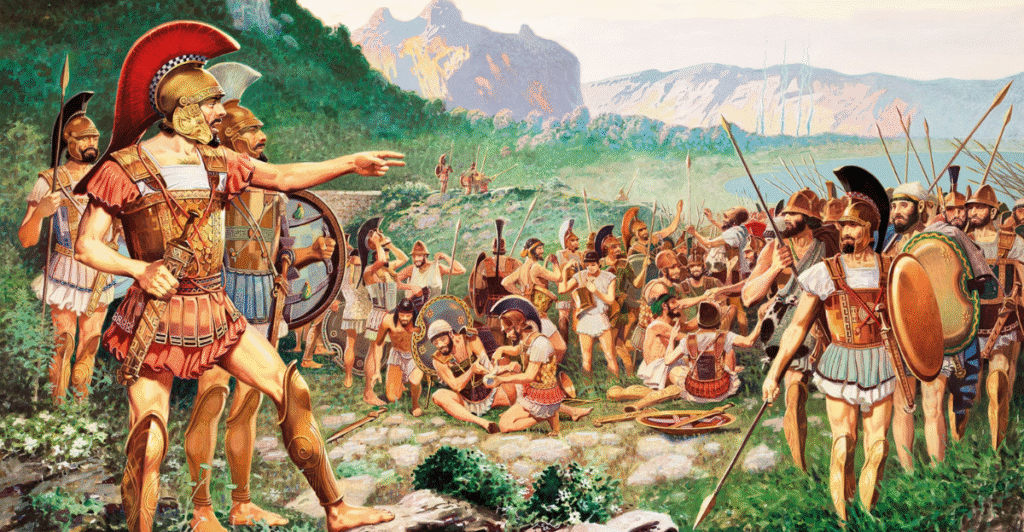
The Spartans, known for their intense military prowess and fearlessness, used extreme methods to enforce discipline. Their approach reflected not just military values but a complex societal framework that shaped their identity and effectiveness as a community. In doing so, they have long been known as having the best armies out of the Greek cities.
Historical Context and Societal Framework
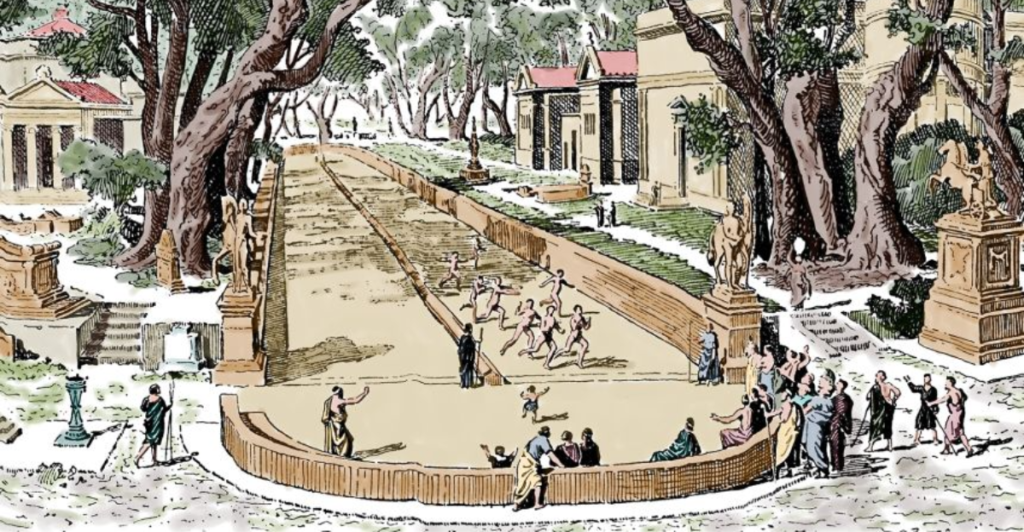
Sparta’s system, instituted by Lycurgus in the 8th century BC, was designed to create a society where discipline was paramount. Sparta emphasized collective strength and self-denial, seeking a life of moderation and simplicity. The Spartans did not fear or avoid death but rather held it in contempt. They functioned in a society that shunned wealth, status, and power, creating a rather fearsome and unique civilization far removed from what we know today.
The Agoge
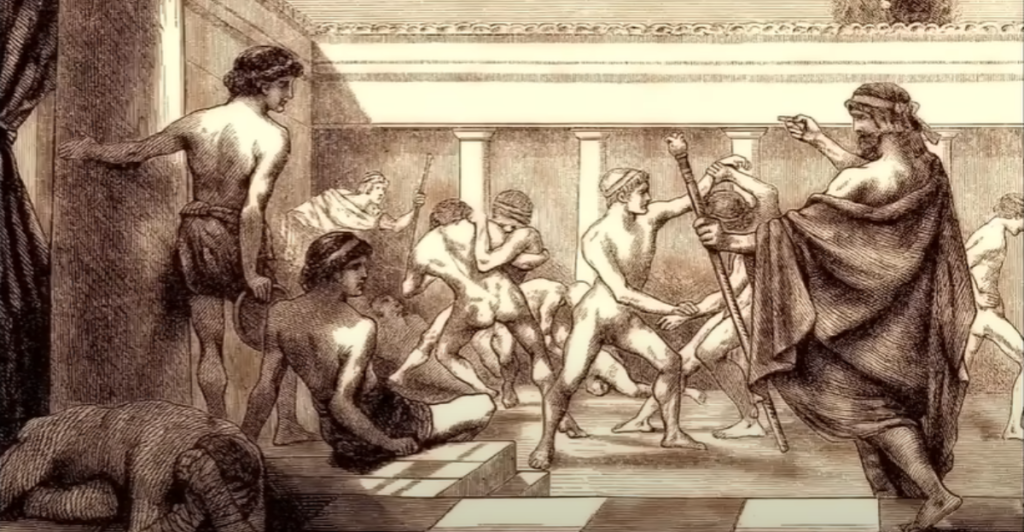
The Agoge was Sparta’s educational and training system that employed harsh, extreme, and even brutal methods to prepare boys for battle. Canadian historian Mark Golden once wrote: “The agoge aimed to instill soldierly virtues: strength, endurance, solidarity.” At age seven, young boys were given to the state by their parents to train as soldiers. Here, they endured poor living conditions and were made to partake in extreme sports and physical fitness. The Agoge was described as a “trial by ordeal.”
Surviving the Agoge
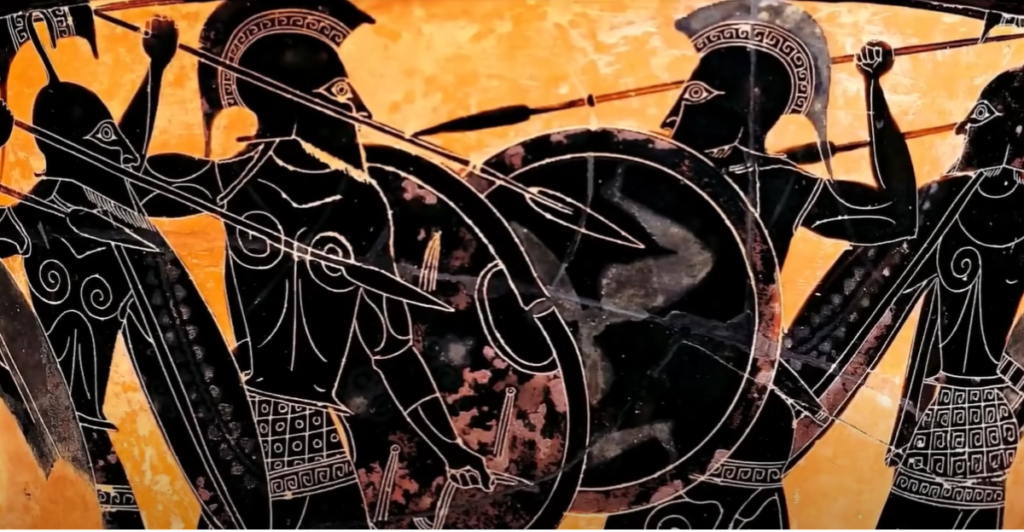
Boys were made to participate in activities such as foot races and wrestling, as well as brutal contests where two teams tried to force each other off an island by pushing, kicking, biting, and gouging at each other. Given the meager diet, stealing was not uncommon; however, those caught stealing food were flogged. This punishment was used to ensure the boys learned how to become cunning, daring, and ultimately courageous and stoic.
The Helots
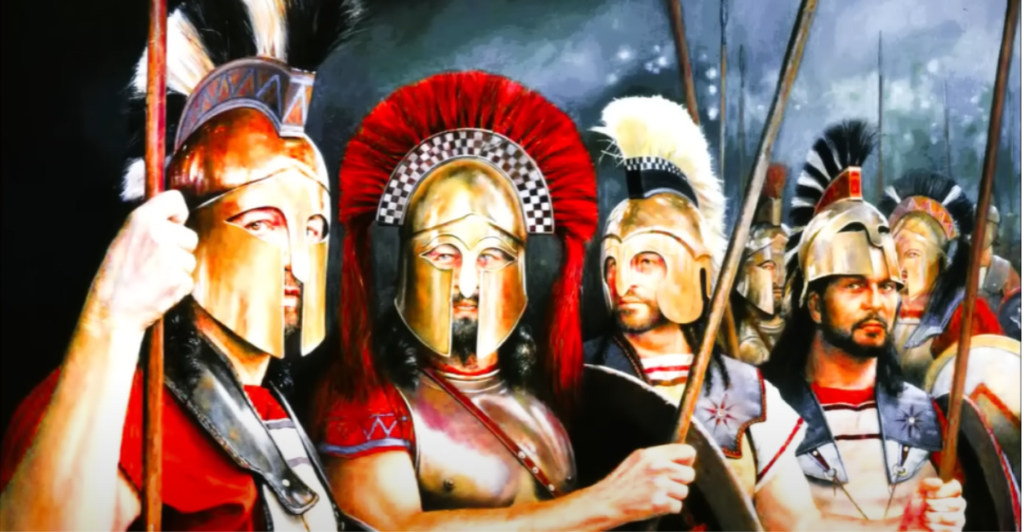
The Spartans didn’t just practice extreme discipline and punishment on their youths and citizenry; they engaged in psychological and physical warfare against the Helots, the enslaved population who worked the land and economically supported the Spartans, to maintain control, including annual declarations of war against them to justify killing any suspected uprisings or rebellions.
Discipline and Social Cohesion
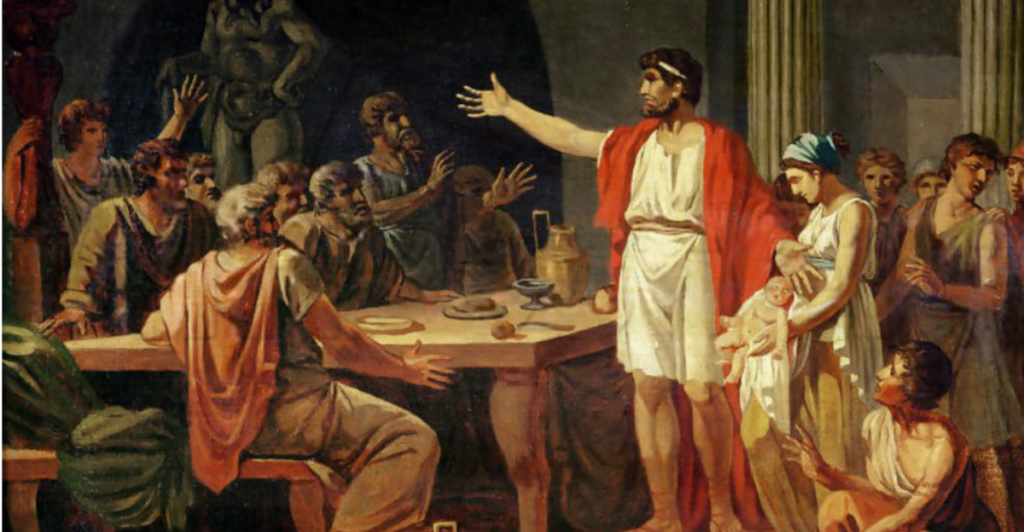
The discipline enforced in the Agoge and in the treatment of the Helots used competition and fear to create social cohesion within a community facing external threats. It was likely to be believed that extreme discipline would foster greater resilience and a collective identity. However, this method of discipline was successful at the time, making Spartan soldiers a formidable force, but would be seen as nothing short of traumatic today.
Spartan Discipline vs. Modern Military Training
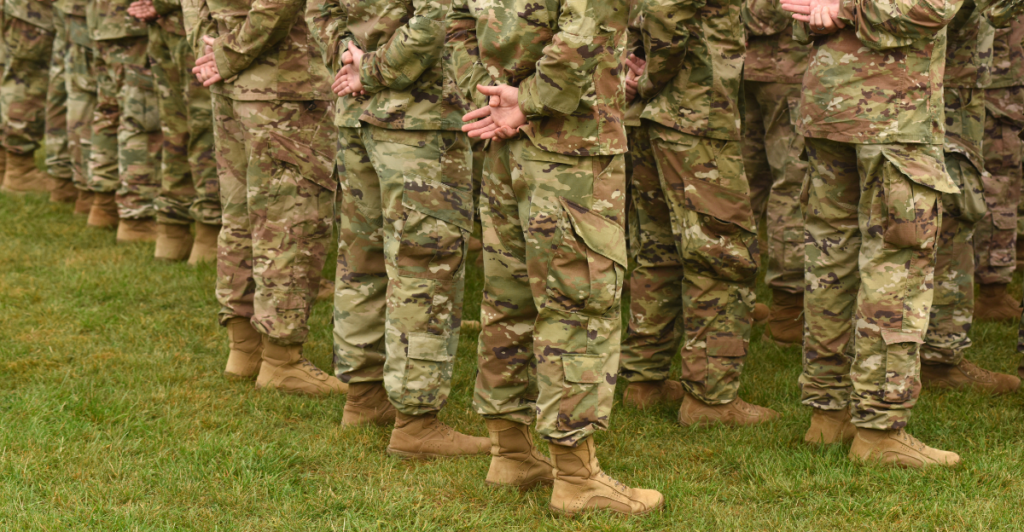
While Spartan discipline is completely different from what we see in our society today, it does have some similar characteristics to modern military training. Modern special operations forces are known to adopt rigorous training routines that emphasize mental and physical toughness and teamwork. However, it is unlikely that extreme punishments and humiliation could be used to encourage military performance today.
Discipline’s Role in Effectiveness
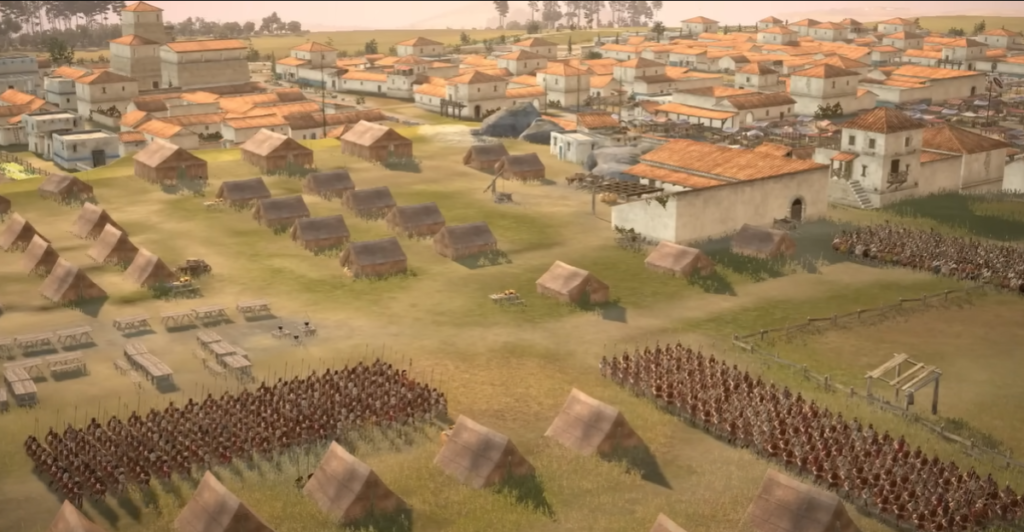
In Sparta, life was about seeking moral excellence, bravery, moderation, and self-discipline. In fact, all citizens were encouraged to follow the laws of the city or face shame, ostracism, and banishment. This made the Spartans formidable in battle but were not undefeated. Due to their blind and rigid acceptance of society, Spartans could not accept innovations in war or politics, which led to their downfall and defeat at the battle of Leuctra in 371 B.C.
Contrarian Viewpoints on Spartan Discipline
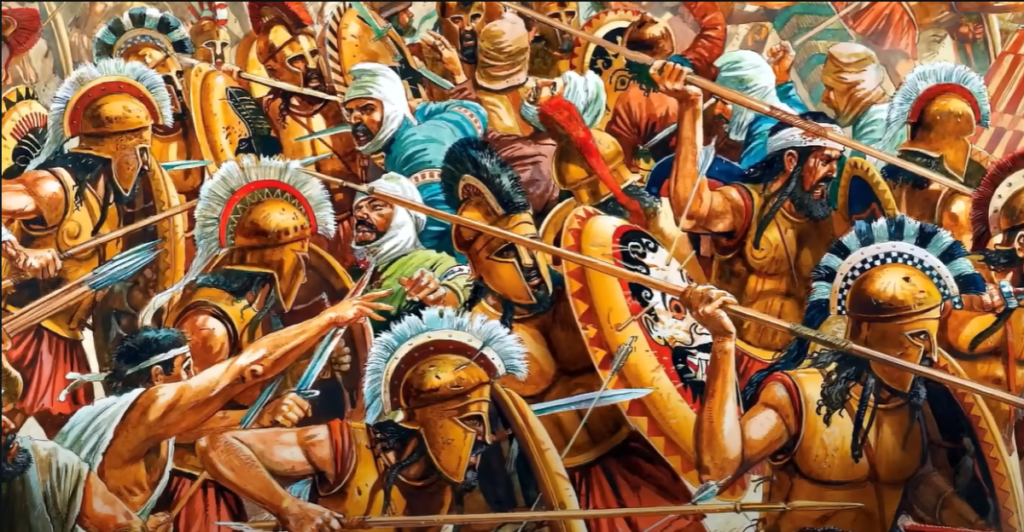
While many criticize their methods as brutal, the Spartans’ rigorous discipline and way of life fostered a resilient and unified community that many enemies feared. For example, their harsh treatment of Spartan youths in the agoge aimed to prepare soldiers for all sorts of environments, lack of food, and other rigors of war and life itself.
The Enduring Relevance of Spartan Discipline
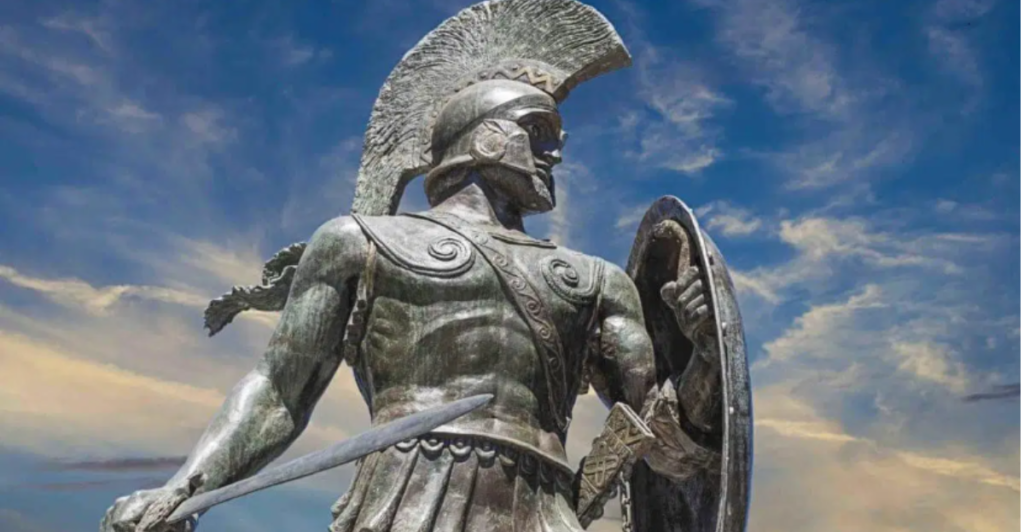
When looking at our greed and consumerism, a case can be made for the benefit of a more disciplined and accountable society. Spartan minimalism and self-discipline can be seen in mindful and intentional lifestyles, while their extreme discipline, but perhaps not their harsh punishments, can be seen as effective in certain military training styles. Research shows that units with high levels of discipline outperform those with more relaxed training protocols.
2026 Update: Separating Spartan Fact from Spartan Legend
Much of what we “know” about Spartan discipline comes from writers who were not Spartans and often lived centuries later. The most influential is Plutarch, writing around AD 100, almost 500 years after Sparta’s peak. Historians therefore treat his vivid details with care. Lycurgus, the lawgiver credited with founding the system, is considered semi-legendary, and even ancient authors disagreed about when he lived. Some customs, such as the brutal endurance contests at the sanctuary of Artemis Orthia, are known to have become more extreme under Roman rule, when Sparta staged its “ancient” traditions for tourists.
Did Spartans really throw weak babies into a pit?
Plutarch says that infants judged unfit were left at the Apothetae, a place near Mount Taygetus. Archaeology has not supported the most famous version of this story. In December 2007, anthropologist Theodoros Pitsios of the University of Athens medical school reported the results of more than five years studying human remains from the Keadas (Kaiadas) chasm near Sparta, the gorge long linked to the legend. All of the bones belonged to adolescents and adults aged roughly 18 to 35, probably prisoners, traitors or criminals. None came from newborns. Infant exposure may still have happened in some form. But the image of a pit filled with babies is not supported by the excavated evidence.
Sources
- History News Network (AFP): Spartans did not throw deformed babies away, researchers say
- Britannica: Sparta